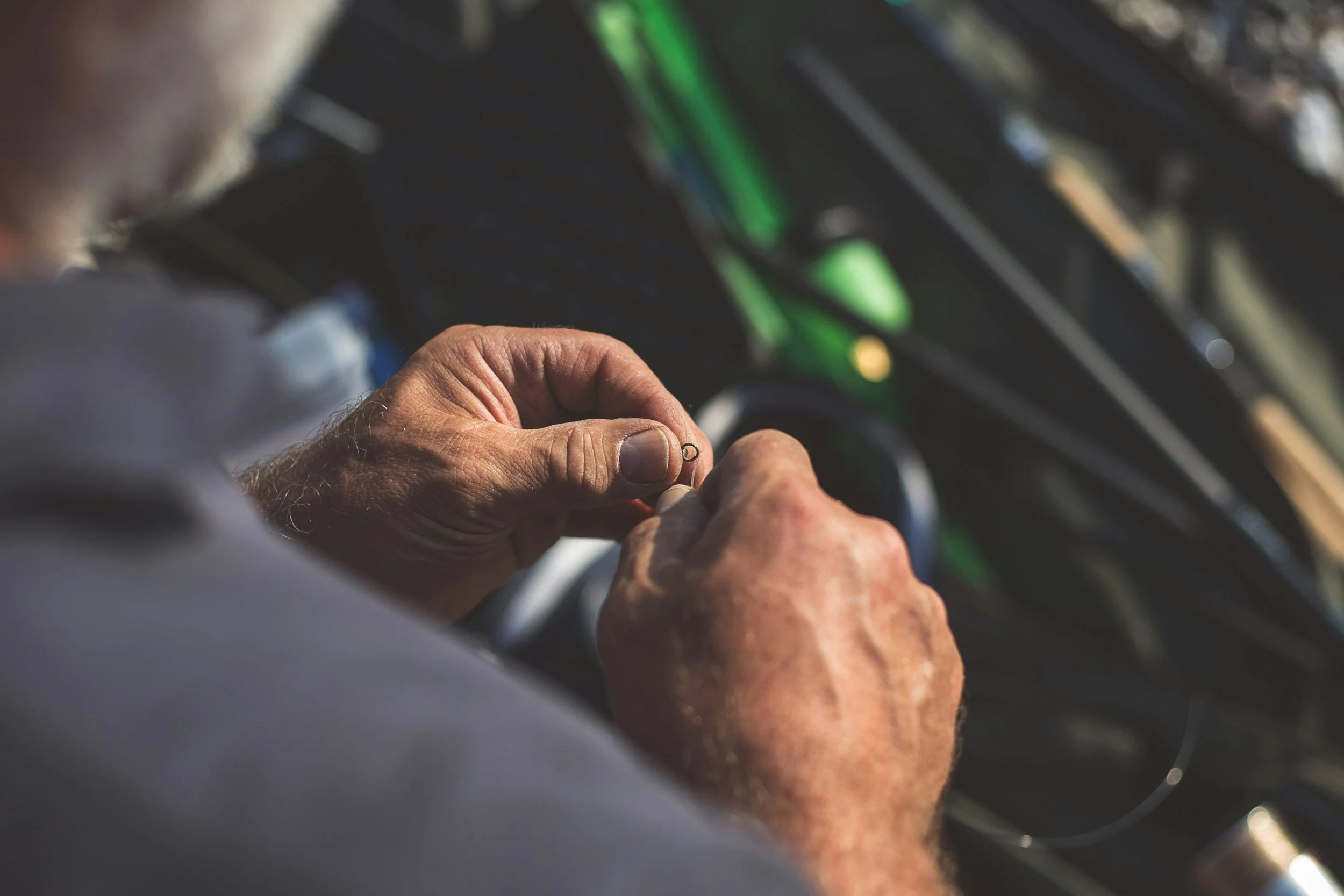
What is Dupuytren’s Disease?
Dupuytren’s disease is a condition affecting the fascia beneath the skin of the palm and fingers. Over time, thickened cords can develop, causing one or more fingers to progressively bend into the palm.
The ring and little fingers are most commonly affected.
The condition often progresses slowly and may initially present as:
lumps or nodules in the palm
thickened cords beneath the skin
difficulty placing the hand flat on a table
progressive finger contracture
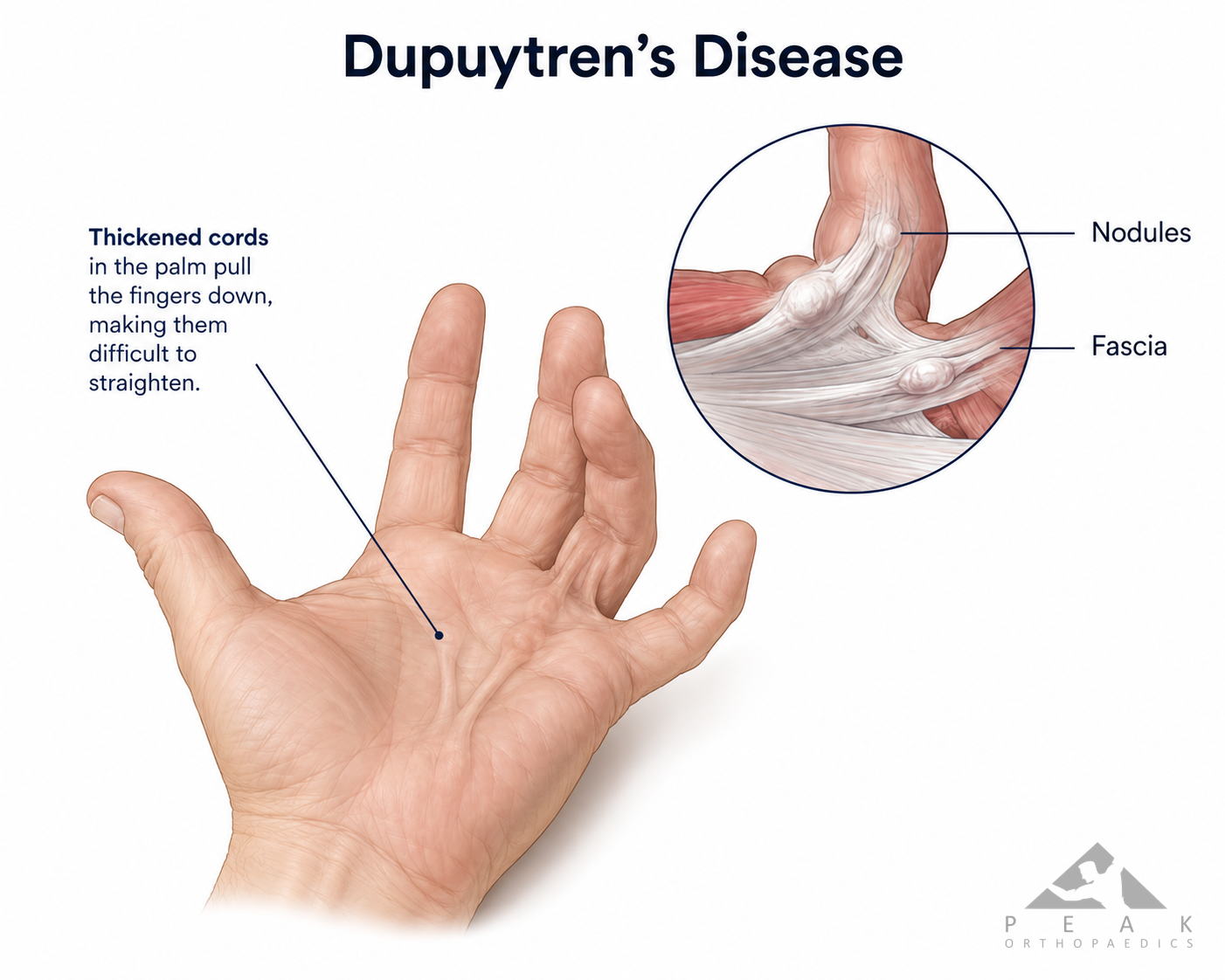
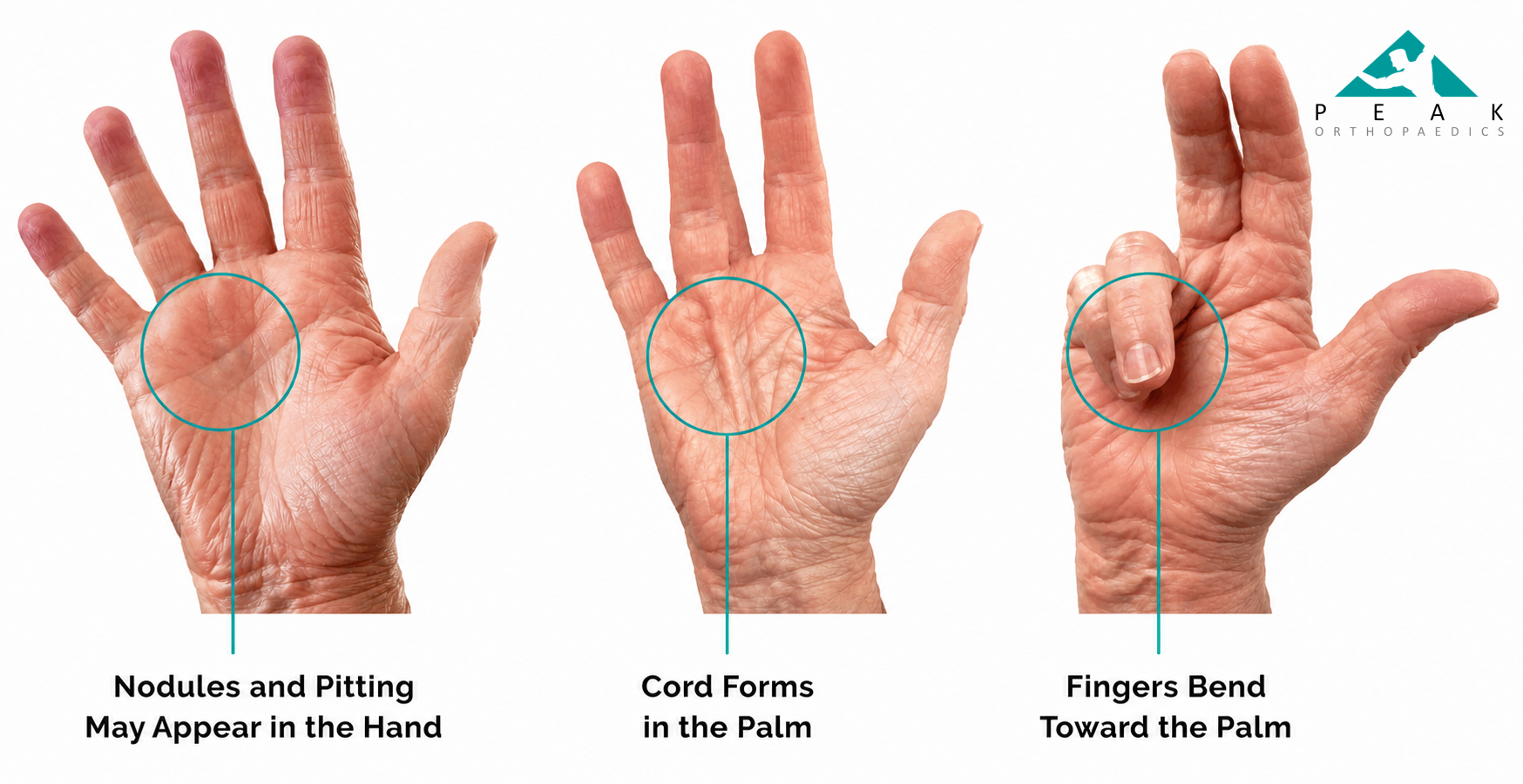
Dupuytren’s disease progression
Dupuytren’s disease often progresses gradually over time. Early stages may involve small nodules or thickening in the palm, while more advanced disease can lead to cords and finger contractures.
Treatment is not always required in the early nodular stage, particularly when finger movement remains normal. Intervention is more commonly considered once the fingers begin to develop a functional flexion contracture.
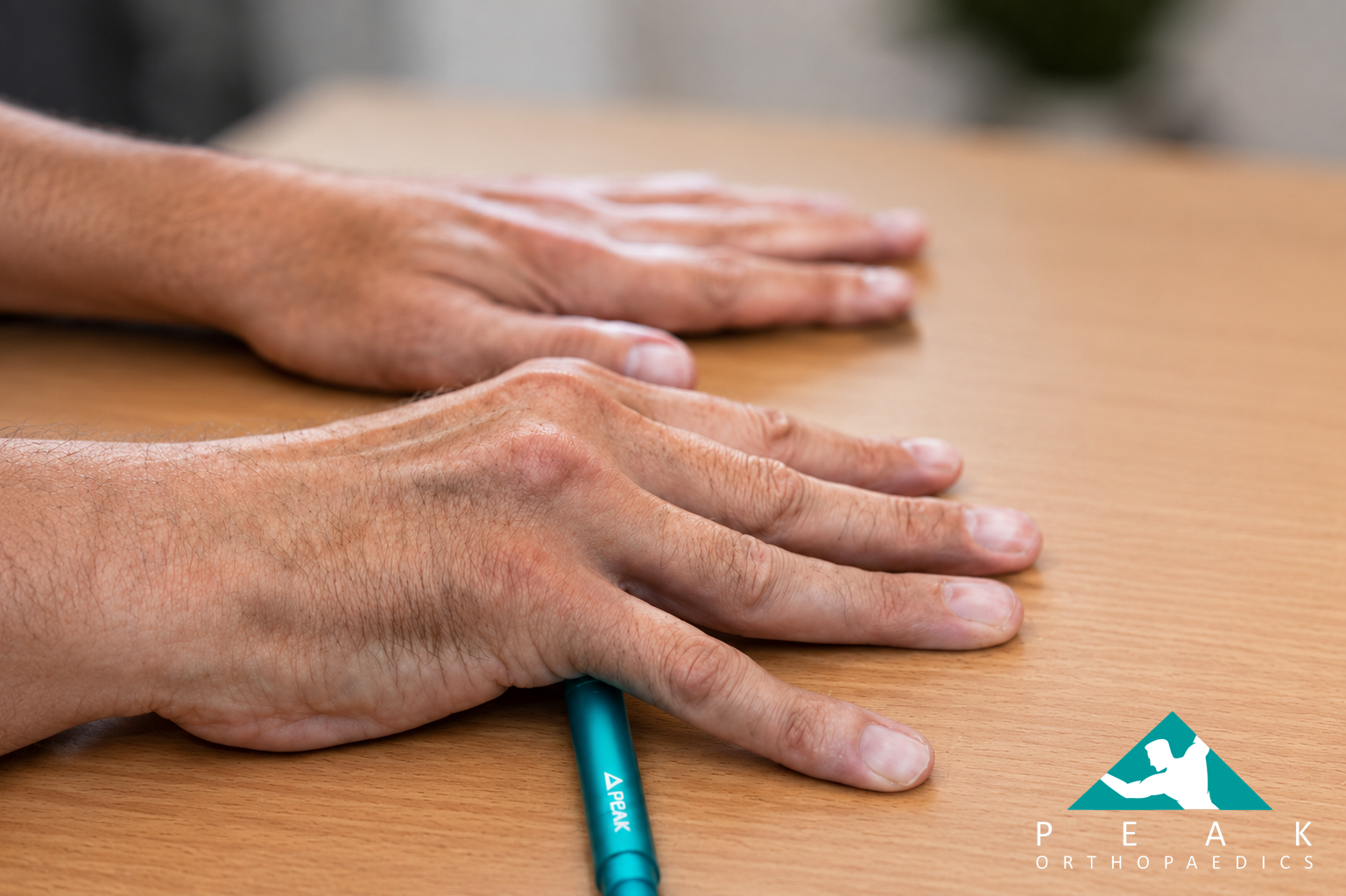
A useful practical guide is the “table top test”. If the hand can no longer lie flat on a table, or a pen can easily pass beneath the finger when the hand is placed flat, this may indicate a meaningful contracture has developed.
In general, earlier treatment after contracture develops is often simpler and may achieve better correction before severe fixed deformity occurs.
Contractures affecting the knuckle joint (MCPJ) are generally more forgiving than those affecting the middle finger joint (PIPJ), which can become progressively stiffer and more difficult to fully correct over time.
For this reason, specialist review is often recommended once the table top test becomes positive or if the PIPJ begins to bend, even if the overall deformity still appears relatively mild.
When Should You Seek Assessment?
Assessment may be appropriate when:
finger contracture is progressing
difficulty placing the hand flat develops
grip and hand function become affected
daily activities become limited
Not all patients require surgery, and treatment depends on disease severity, progression, and functional impairment.
dupuytren’s disease Treatment Options
Observation
Early Dupuytren’s disease without significant contracture may simply be monitored.
Percutaneous Needle Aponeurotomy
A minimally invasive procedure performed through small skin punctures to divide Dupuytren’s cords and improve finger extension.
This is often suitable for selected patients with well-defined cords and less severe contracture.
Surgical Fasciectomy & Reconstruction
Surgical excision of Dupuytren’s tissue may be recommended for more advanced, recurrent, or functionally limiting disease.
Depending on the severity of contracture and soft tissue involvement, reconstructive procedures such as Z-plasty or full-thickness skin grafting may also be required.
More severe or longstanding contractures, particularly involving the PIP joint, can be more difficult to fully correct.
Surgical treatment aims to:
improve finger extension
restore hand function
reduce progressive deformity
Recovery & Rehabilitation
Recovery depends on:
severity of contracture
fingers involved
type of procedure performed
Hand therapy is commonly required following surgery to assist with:
wound care
swelling management
splinting
range of motion
functional recovery
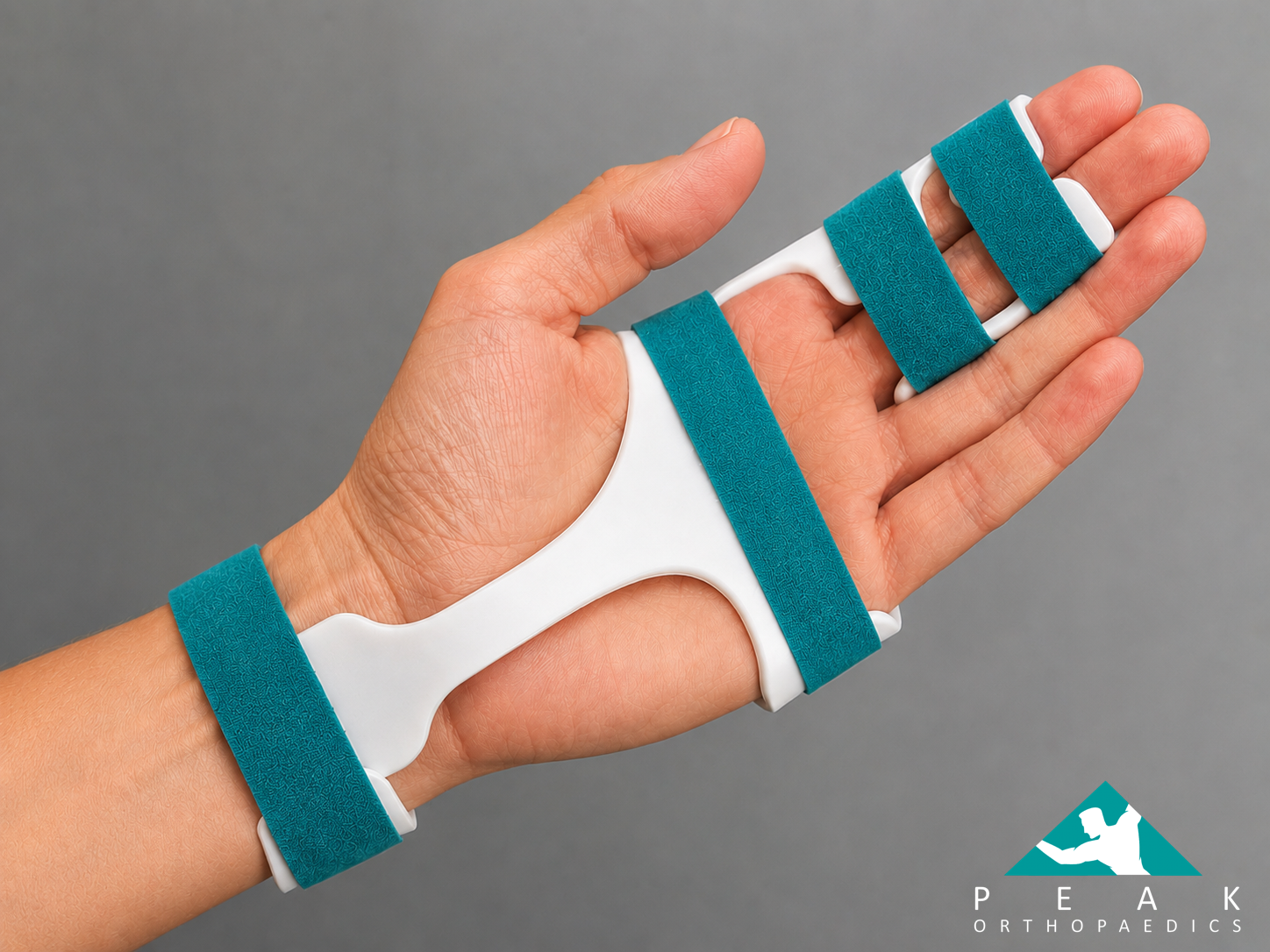
Night splinting may be recommended for several months following surgery.
Related Rehabilitation Protocols
Dupuytren’s fasciectomy rehabilitation protocol
Specialist Hand & Wrist Care
Mr Francis Ting completed subspecialty fellowship training at Canada’s renowned Hand and Upper Limb Clinic and provides specialist hand and wrist care at Southern Cross Hospital and Taranaki Base Hospital.
Treatment is individualised to each patient, with emphasis on accurate diagnosis, restoration of hand function, and recovery.
Frequently Asked Questions
Is Dupuytren’s disease hereditary?
Dupuytren’s disease commonly runs in families and is more common in people of Northern European ancestry.
Does Dupuytren’s disease always progress?
Dupuytren’s disease often progresses slowly over time, although the rate of progression varies between individuals. Some patients develop only small nodules or cords with minimal functional limitation, while others may develop progressive finger contracture affecting hand function.
Does Dupuytren’s disease always need surgery?
No. Early disease without significant contracture may only require observation.
What is needle aponeurotomy?
Needle aponeurotomy is a minimally invasive technique used to divide Dupuytren’s cords through small skin punctures.
Can Dupuytren’s disease come back after treatment?
Recurrence can occur following both minimally invasive and surgical treatment.
Will I need hand therapy after surgery?
Hand therapy is commonly recommended following surgery to assist recovery, splinting, and restoration of finger movement, and is often important in achieving the best possible outcome.
Referral and assessment
Mr Francis Ting is happy to assess patients with Dupuytren’s disease and discuss appropriate management options, including observation, minimally invasive procedures, and surgical treatment where indicated.
Referrals are welcome from GPs, physiotherapists, hand therapists, and other health professionals. Early assessment may help identify appropriate treatment options before fixed contracture and loss of function develop.