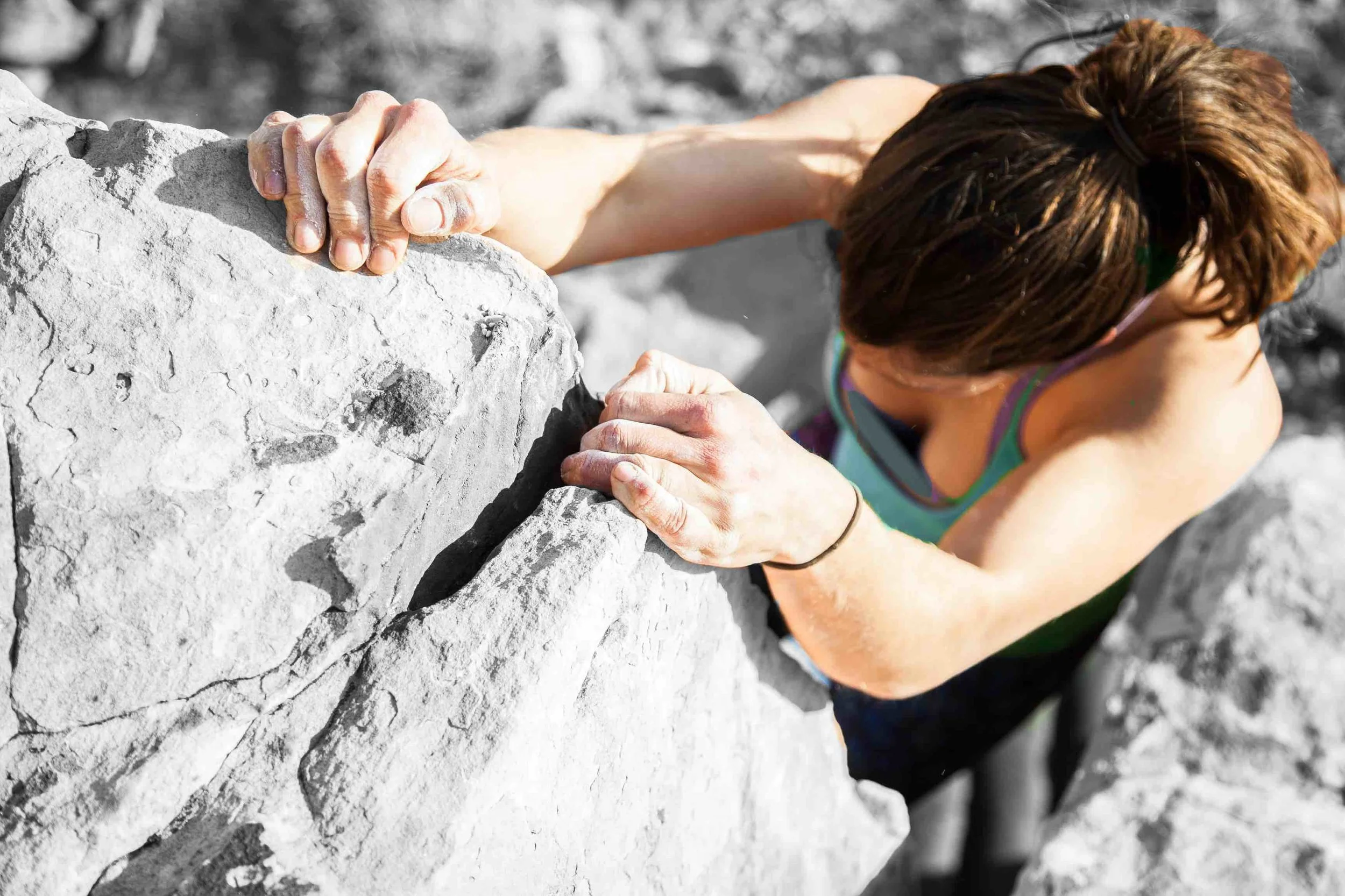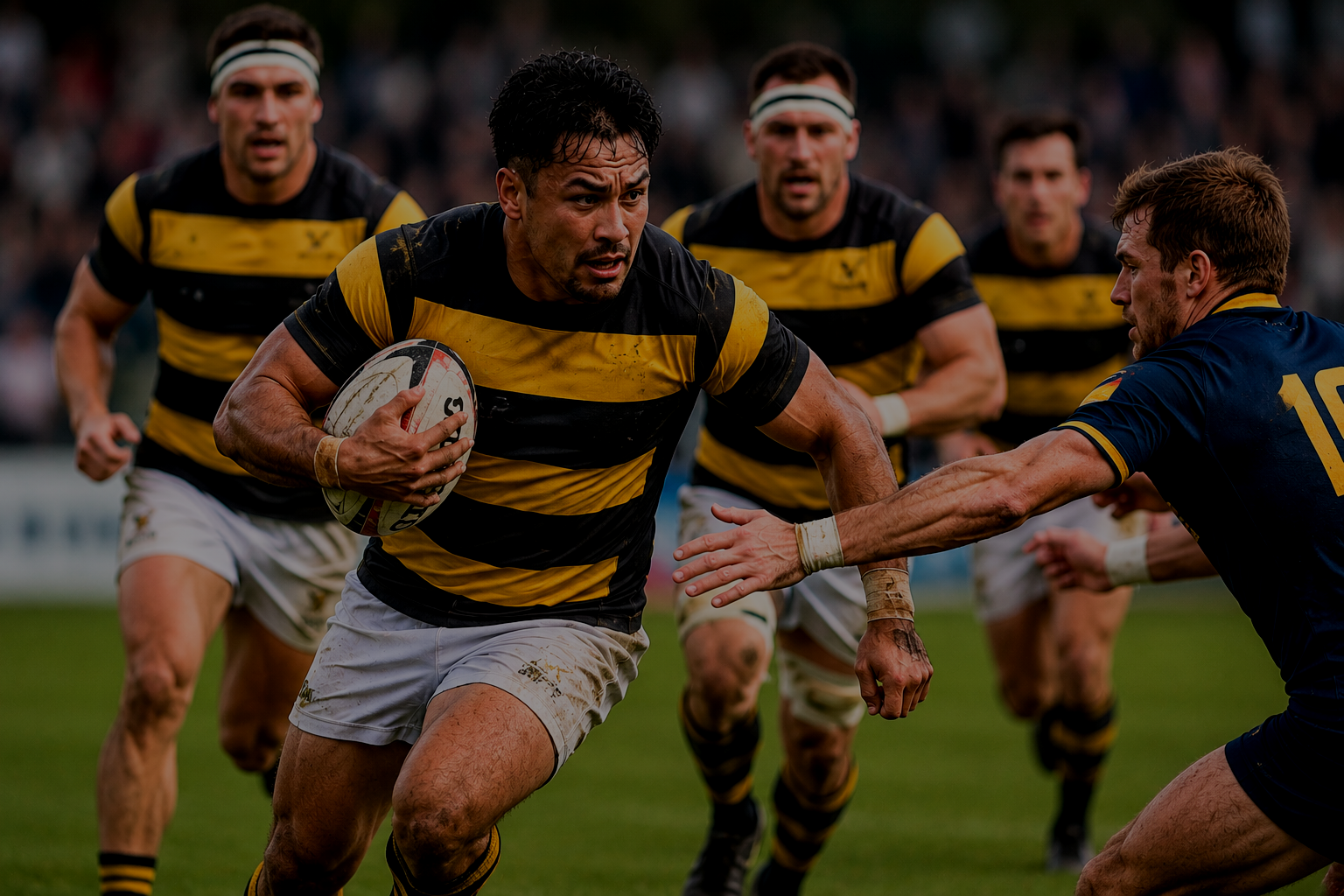
What is Shoulder Instability?
Shoulder instability occurs when the ball of the shoulder joint moves partially or completely out of the socket. This may result in a shoulder dislocation, recurrent instability, or feelings of the shoulder slipping, shifting or giving way.
The condition commonly affects:
young athletes,
contact sport participants,
overhead athletes,
and patients following a traumatic shoulder dislocation.
Common Symptoms
Symptoms may include:
Shoulder dislocation
Recurrent shoulder instability
Sensation of the shoulder slipping or shifting
Pain during sporting activities
Apprehension with overhead or throwing movements
Weakness
Reduced confidence in the shoulder
Many patients describe a feeling that the shoulder may "pop out" during certain positions or activities.
Causes
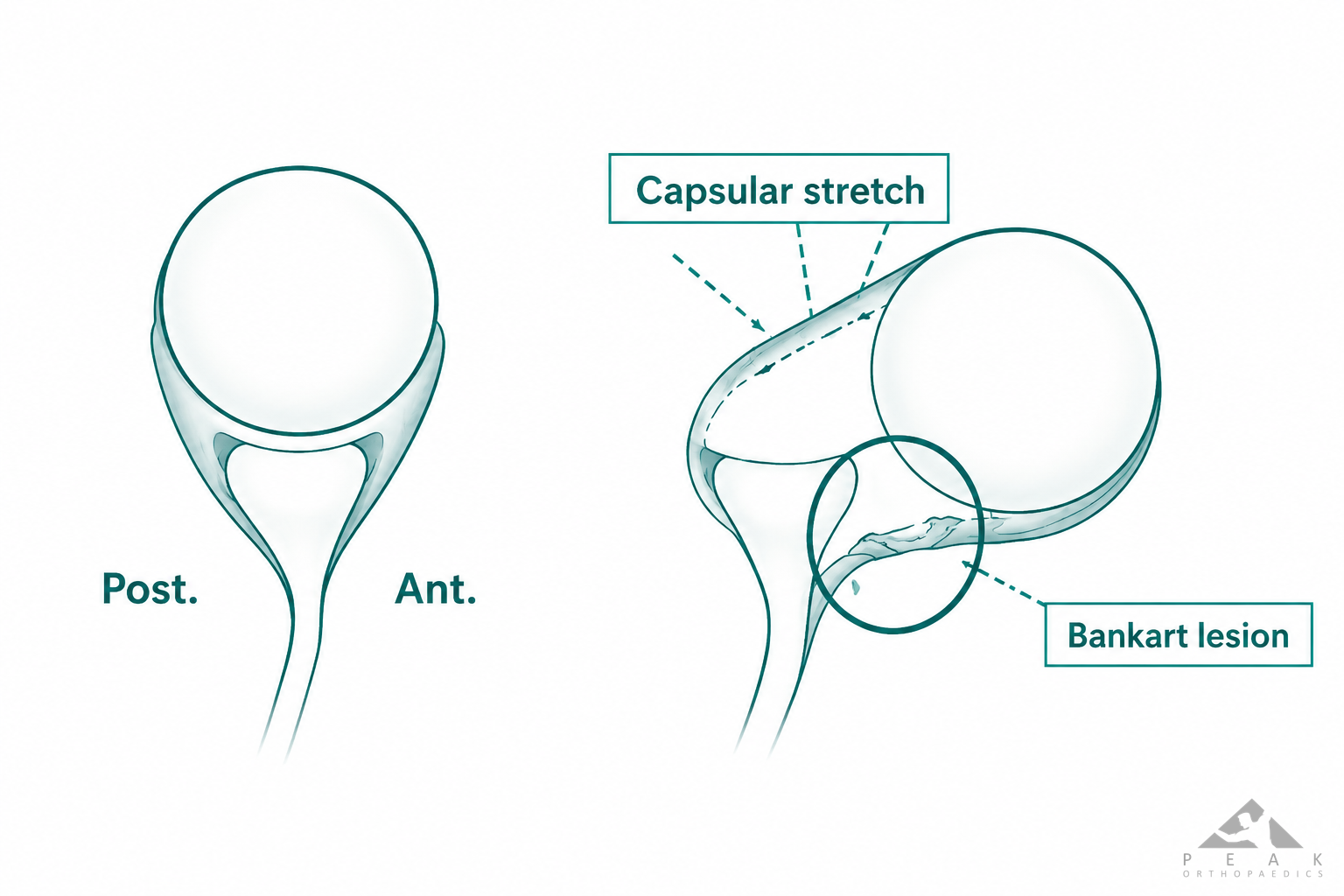
Shoulder instability commonly occurs following a traumatic dislocation.
Injury may result in:
labral tears (Bankart lesions),
capsular stretching,
ligament injury,
glenoid bone loss,
or humeral head defects (Hill-Sachs lesions).
Young patients and contact athletes have a particularly high risk of recurrent instability following a first-time dislocation.
Diagnosis
Diagnosis is based on:
clinical assessment,
physical examination,
X-rays,
MRI scans,
and occasionally CT scans.
Imaging helps identify:
labral injuries,
bone loss,
Hill-Sachs lesions,
and associated injuries.
Non-Surgical Treatment
Following a first-time shoulder dislocation, treatment may include:
immobilisation,
physiotherapy,
strengthening,
activity modification,
and rehabilitation.
Non-operative treatment may be appropriate in selected patients.
However, younger patients involved in contact sports often have a high risk of recurrent instability.
Surgical Treatment
Surgery may be recommended for:
recurrent dislocations,
recurrent instability,
high-risk first-time dislocations,
contact athletes,
significant labral injury,
or bone loss.
The goal of surgery is to restore stability and reduce the risk of further dislocations.
Shoulder Stabilisation Surgery
The most appropriate procedure depends on patient age, sporting demands, instability pattern and imaging findings.
Procedures may include:
Arthroscopic labral repair (Bankart repair)
Capsulorrhaphy (capsular tightening)
Remplissage procedures
Biceps tenodesis in selected cases
Open Latarjet procedure
Bone reconstruction procedures for significant bone loss
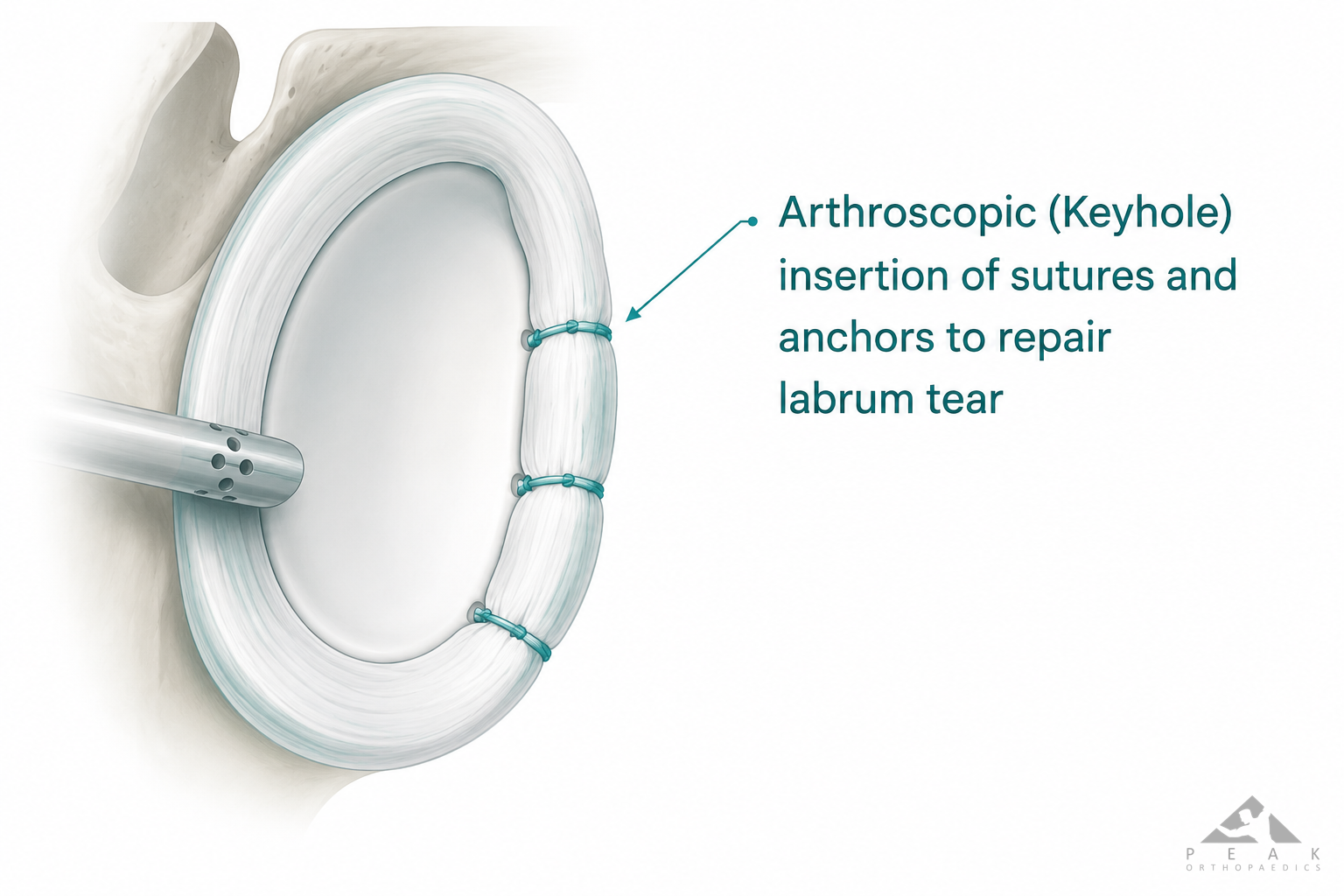
Arthroscopic labral repair (Bankart repair)
Latarjet Procedure
The Latarjet procedure is commonly considered for patients with:
recurrent instability,
significant glenoid bone loss,
failed previous stabilisation surgery,
or high-risk contact athletes.
The procedure transfers a portion of bone and tendon to the front of the shoulder socket to improve stability.
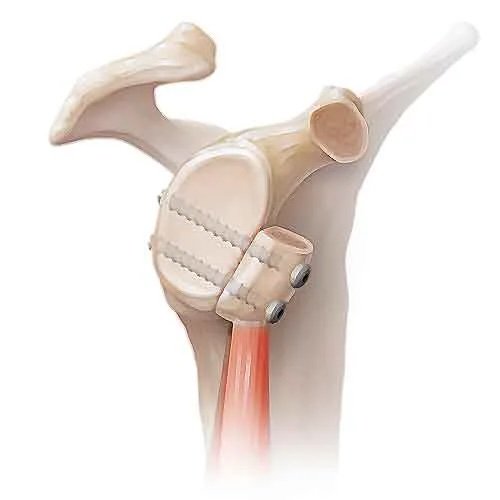
Latarjet bone block procedure
Recovery After Surgery
Recovery depends on the procedure performed.
Most patients require:
sling immobilisation,
physiotherapy,
progressive range of motion exercises,
strengthening,
and graduated return to sport.
Return to contact sport is commonly expected at approximately six months following stabilisation surgery.
Related Rehabilitation Protocols
Shoulder stabilisation rehabilitation
Bankart repair rehabilitation
Latarjet rehabilitation
Frequently Asked Questions
Will my shoulder dislocate again?
The risk depends on age, activity level and the pattern of injury. Young patients involved in contact sports have a particularly high risk of recurrent instability following a first-time dislocation.
Do all shoulder dislocations require surgery?
No. Some patients are successfully managed without surgery, particularly if instability does not recur.
When should surgery be considered?
Surgery may be considered after recurrent instability, recurrent dislocation, or in selected high-risk patients following a first-time dislocation.
What is a Bankart repair?
A Bankart repair is an arthroscopic procedure used to repair a torn labrum and restore shoulder stability.
What is a Latarjet procedure?
The Latarjet procedure is a stabilisation operation used when bone loss or high-risk instability is present.
Referral Information
Francis Ting is an upper limb surgeon who provides specialist assessment and treatment of shoulder instability and dislocation in New Plymouth and the wider Taranaki region.
As an orthopaedic specialist clinic, patients are usually referred by their GP, physiotherapist, sports physician or other healthcare professional. Referral is generally required for ACC and private insurance funding pathways.